
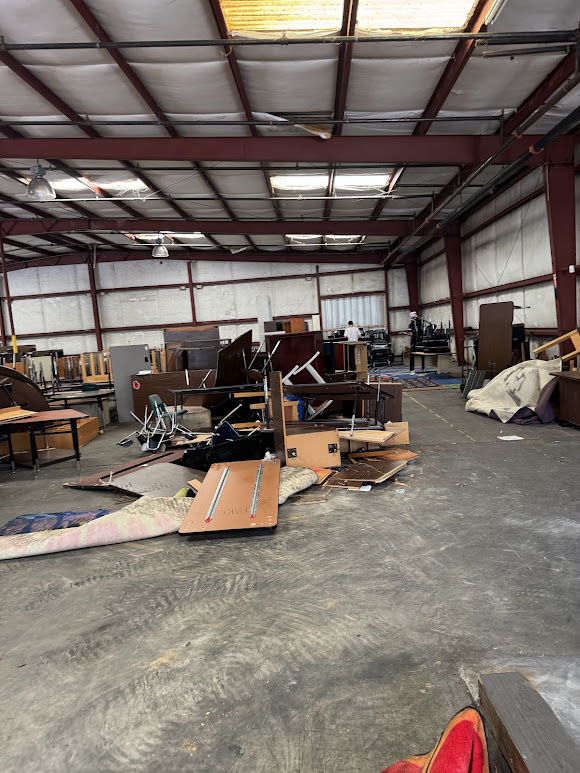
Unwanted items can build up quickly after a home renovation, move, seasonal cleanout, or simple decluttering project. Deciding what to do with everything can be just as challenging as sorting it. Fortunately, there are several options for junk disposal, including donating usable belongings, recycling eligible materials, using local waste programs, or hiring a professional removal service.
The right option depends on what you have, how much you need to remove, and how much time and effort you can dedicate to the process. Understanding your choices can help you dispose of unwanted items responsibly while avoiding unnecessary trips, costs, or delays.
What Is Junk Disposal?
Junk disposal refers to the process of getting rid of unwanted, damaged, outdated, or excess items from a property. It can involve several different methods depending on the type of material and its condition.
Usable furniture may be donated or given away, while cardboard, metal, and certain electronics may be recyclable. Other household items may be suitable for municipal waste collection or a professional junk removal service.
Responsible disposal is about choosing the appropriate option for each type of material instead of treating everything as general waste.
How to Decide the Best Way to Dispose of Junk
There is no single disposal method that works for every item. Before deciding what to do, consider a few important factors.
1. Consider the Condition of the Item
Start by asking whether the item is still clean, safe, and usable. Furniture, clothing, household goods, and appliances that remain in good condition may be suitable for donation or resale.
Broken, damaged, stained, or unsafe items may have fewer reuse options and could require recycling or disposal.
2. Consider the Material
Different materials have different disposal requirements. Metal, cardboard, electronics, plastics, appliances, and organic materials may each have separate recycling or collection options.
Some items may also contain components that require specialised handling, so check local requirements before placing them in a regular waste stream.
3. Consider the Quantity
The amount of junk you have can significantly affect which option makes sense. A few boxes of household items may be easy to donate or recycle, while an entire garage, basement, or property cleanout can create a much larger disposal challenge.
Large quantities may require multiple trips if you handle everything yourself, making professional removal more practical.
4. Consider Your Time and Resources
DIY disposal requires sorting, lifting, loading, transportation, and sometimes waiting at drop-off facilities. If you have a suitable vehicle and plenty of time, handling a smaller cleanup yourself may be manageable.
For larger projects or situations with tight deadlines, hiring a professional can simplify the process.
Option 1: Donate Usable Items
Donation is one of the most useful options when unwanted belongings are still in good condition.
Furniture, clothing, household goods, books, appliances, and other reusable items may be accepted by charitable organisations, community groups, reuse centres, or other local programs. However, every organisation has its own acceptance requirements.
Before donating, check whether the organisation accepts the item and whether there are requirements regarding cleanliness, damage, size, or condition.
Donation can be particularly worthwhile when you have items that no longer suit your needs but could still be useful to someone else.
Option 2: Recycle What You Can
Recycling can be a responsible option for materials that have an appropriate recycling stream. Common examples may include cardboard, paper, certain plastics, metals, and eligible electronics.
However, not everything that appears recyclable belongs in a standard recycling bin. Electronics, batteries, appliances, and other specialised materials may need to be taken to designated recycling facilities.
Always check your local recycling guidelines before putting an item into a household recycling container. Incorrect materials can contaminate recycling loads or create handling problems.
Option 3: Use Municipal Waste Collection or Drop-Off Facilities
Local waste collection programs can be useful for items that fall within their accepted categories. Depending on where you live, you may have access to curbside collection, bulky-item programs, transfer stations, recycling depots, or other waste facilities.
These services often have specific rules regarding what they accept, when materials can be placed out, and whether certain items require separate drop-off arrangements.
Before loading your vehicle, check the facility’s current requirements. This can save you from making a trip only to discover that your items are not accepted.
Option 4: Sell or Give Away Items
Some unwanted items may still have enough value to sell. Online marketplaces, community groups, local classifieds, and garage sales can be useful for furniture, appliances, tools, décor, and other belongings that are still functional.
Giving items away is another option when the primary goal is to find them a new home rather than make money.
The main consideration is time. Taking photographs, writing listings, responding to messages, arranging meetings, and waiting for someone to collect an item can take considerable effort.
For inexpensive items or large quantities of clutter, spending days trying to sell everything may not be worth the time involved.
Option 5: Hire a Professional Junk Removal Service
Professional junk removal can be a convenient solution when you have too much material to handle yourself or items that are difficult to transport.
A professional removal service can be particularly useful for whole-home cleanouts, garage clear-outs, moving projects, renovation cleanup, office cleanouts, property turnovers, and large amounts of unwanted furniture.
For bulky household items, professional furniture removal can reduce the physical effort involved and make larger cleanouts easier to manage.
Instead of sorting everything into separate trips and figuring out how to transport bulky items, you can arrange a scheduled pickup and have a removal crew handle the loading and hauling.
Haul Away Junk Removal provides a convenient option for customers who need help clearing unwanted items from their properties. Before scheduling, customers should confirm that the company accepts the specific materials they need removed.
When Is Professional Junk Removal Better Than DIY Disposal?
DIY disposal can work well for small projects, but professional removal becomes more appealing in several situations.
- You Have Too Much Junk
A large cleanout can quickly exceed what you can reasonably transport in a personal vehicle. Multiple trips can take up an entire day or longer.
A professional removal service can consolidate the work into a scheduled pickup, making large-scale cleanouts easier to manage.
- Items Are Too Large or Heavy
Furniture, appliances, mattresses, and other bulky items can be difficult to move safely without assistance.
Professional crews are equipped to handle heavy and oversized household items, reducing the physical effort required from the property owner.
- You Do Not Have a Suitable Vehicle
Even if you have the time and ability to load junk, transportation can become a problem. A standard car may not be suitable for large furniture, appliances, or substantial quantities of debris.
Professional junk removal eliminates the need to arrange your own transportation for eligible materials.
- You Are Working With a Tight Timeline
Moving dates, property sales, renovations, tenant turnovers, and other projects often come with deadlines. Spending several days sorting and transporting junk may not be practical.
Professional removal can help simplify the cleanup when time is limited.
- You Want to Avoid the Physical Work
Lifting, carrying, loading, and unloading unwanted items can be physically demanding. Professional crews can handle the removal work, allowing you to focus on other parts of your project.
What Items Can Usually Be Donated, Recycled, or Removed?
The best disposal method depends on the item and the services available in your area.
| Item Type | Donate | Recycle | Professional Removal |
|---|---|---|---|
| Furniture | Often | Sometimes | Often |
| Clothing | Often | Sometimes | Often |
| Electronics | Sometimes | Often through specialised programs | Depends on provider |
| Appliances | Sometimes | Often through specialised programs | Often |
| Cardboard | Limited | Often | Often |
| Yard debris | Rarely | Depends on local programs | Often |
| Renovation debris | Rarely | Sometimes | Often |
| Mattresses | Sometimes | Specialised programs | Depends on provider |
| Household clutter | Sometimes | Depends on material | Often |
Acceptance rules vary between charities, recycling facilities, municipal programs, and junk removal companies. Always confirm requirements before arranging disposal.
What Items May Require Special Disposal?
Some materials should not automatically be placed with ordinary household waste. Hazardous chemicals, fuels, certain batteries, medical waste, asbestos-containing materials, and some electronic equipment may require specialised handling.
Paint, solvents, pesticides, refrigerants, and other potentially hazardous products can also have specific disposal requirements.
If you are unsure about an item, check your local waste authority or contact an appropriate specialised disposal program. Never assume that a regular junk removal service or household bin can accept hazardous materials.
How to Prepare Junk for Disposal
Sorting your belongings before disposal can make the entire process easier.
Begin by creating separate groups for items you want to donate, recycle, sell, give away, or dispose of. This prevents reusable belongings from becoming mixed with general waste.
For electronics, remove personal information and prepare devices according to the requirements of the recycling program you plan to use.
If you are hiring a removal service, identify anything unusual, oversized, heavy, or potentially restricted before the appointment. Confirm that these materials are accepted rather than waiting until the crew arrives.
For a professional pickup, make sure the removal team has safe and practical access to the items. Clearing pathways and identifying what needs to be removed can help the process run more smoothly.
Junk Disposal: Donate, Recycle, or Hire a Removal Service?
The best option depends on your circumstances.
- Donate when an item is clean, safe, functional, and suitable for reuse.
- Recycle when the material has an appropriate recycling program available.
- Sell or give away when an item still has useful value and you have enough time to find someone who wants it.
- Use municipal disposal when your local waste collection or drop-off facility accepts the material.
- Hire professional junk removal when you have a large volume of unwanted items, bulky furniture, difficult-to-move belongings, limited transportation, or a tight cleanup deadline.
You do not necessarily have to choose just one method. A single cleanup may involve donating usable furniture, recycling electronics, giving away smaller items, and using professional removal for everything that remains.
How Professional Junk Removal Makes Cleanup Easier
Large cleanouts often involve more than simply getting rid of unwanted belongings. You may need to sort dozens of items, move heavy furniture, arrange transportation, and make multiple disposal trips.
Professional junk removal can simplify these tasks by allowing eligible items to be collected in one scheduled service. Instead of spending your time loading a vehicle and travelling to different facilities, you can focus on completing the cleanup itself.
Professional removal can be particularly useful when preparing a property for sale, completing a renovation, clearing an estate, moving to a new home, or dealing with a major accumulation of clutter.
When choosing a provider, always discuss the types and quantities of materials you need removed so the company can confirm what it can accept.
How to Choose a Junk Removal Company
1. Check Accepted Items
Before booking, find out whether the company accepts the specific furniture, appliances, debris, or household items you need removed.
2. Ask About the Removal Process
Ask whether crews can collect items from inside the property, whether everything needs to be placed in an accessible area, and whether there are restrictions regarding oversized items.
3. Review Service Terms
Understand the company’s scheduling process, service requirements, and any restrictions before confirming your appointment.
4. Consider Disposal Practices
If responsible disposal matters to you, ask whether the company sorts appropriate materials for donation, reuse, recycling, or other recovery options.
5. Choose a Company That Fits Your Project
Consider the volume of junk, type of items, property access, and your preferred timeline. The right service should match the practical needs of your cleanup rather than simply offering the quickest appointment.
Final Checklist for Responsible Junk Disposal
Before starting your cleanup, identify everything that needs to go.
Separate reusable items that could be donated, sold, or given away. Sort materials that may be recyclable and check your local recycling requirements. Identify anything potentially hazardous or restricted and arrange the appropriate disposal method.
If you have a large volume of unwanted items or bulky belongings that are difficult to transport, consider professional removal. Confirm accepted materials and service details before scheduling.
Taking a few minutes to plan your disposal options can save considerable time and help keep usable materials out of the waste stream.
Conclusion
There are several ways to handle unwanted belongings, and the best approach depends on what you have, how much you need to remove, and how much time you want to spend on the process. Donation can give usable items another life, recycling can help recover suitable materials, and municipal programs can provide disposal options for eligible household waste.
For large cleanouts, bulky items, renovation debris, or situations where DIY disposal is impractical, professional junk removal can make the process significantly easier. Instead of managing transportation and multiple disposal trips yourself, you can arrange a scheduled pickup for eligible materials.
Haul Away Junk Removal can help simplify the removal process when your cleanup is too large or inconvenient to handle alone. For more information about available services and removal options, contact our team.
By choosing the right disposal method for each type of item, you can create a cleaner property while making more responsible use of available disposal and recycling options.
Frequently Asked Questions
1. What is the best way to dispose of unwanted junk?
The best method depends on the item’s condition, material, quantity, and local disposal options. Usable items may be donated or sold, recyclable materials can go through appropriate recycling programs, and large cleanouts may be better suited to professional junk removal.
2. Should I donate or hire a junk removal service?
Donate items when they are clean, safe, and reusable. A junk removal service may be more practical when you have a large number of items, bulky furniture, heavy materials, or a limited amount of time.
3. What household items can be recycled?
Common recyclable materials can include cardboard, paper, metal, certain plastics, and eligible electronics through specialised programs. Recycling rules vary by location, so check your local requirements before disposal.
4. Can junk removal companies take furniture and appliances?
Many junk removal companies accept common furniture and appliances, but policies vary. Some appliances may require specialised handling, so provide the company with details about the items before scheduling.
5. What should I do with items that cannot be recycled or donated?
Depending on the item, you may be able to use municipal waste collection, a local drop-off facility, or a specialised disposal program. Hazardous materials should be handled through the appropriate specialised channels rather than ordinary household waste.